


Since you found yourself reading this introduction, I’m going to make some assumptions.
You are successful in your career and, as a result, have a healthy retirement fund, a beautiful home, a nice car, and a taste for little luxuries.
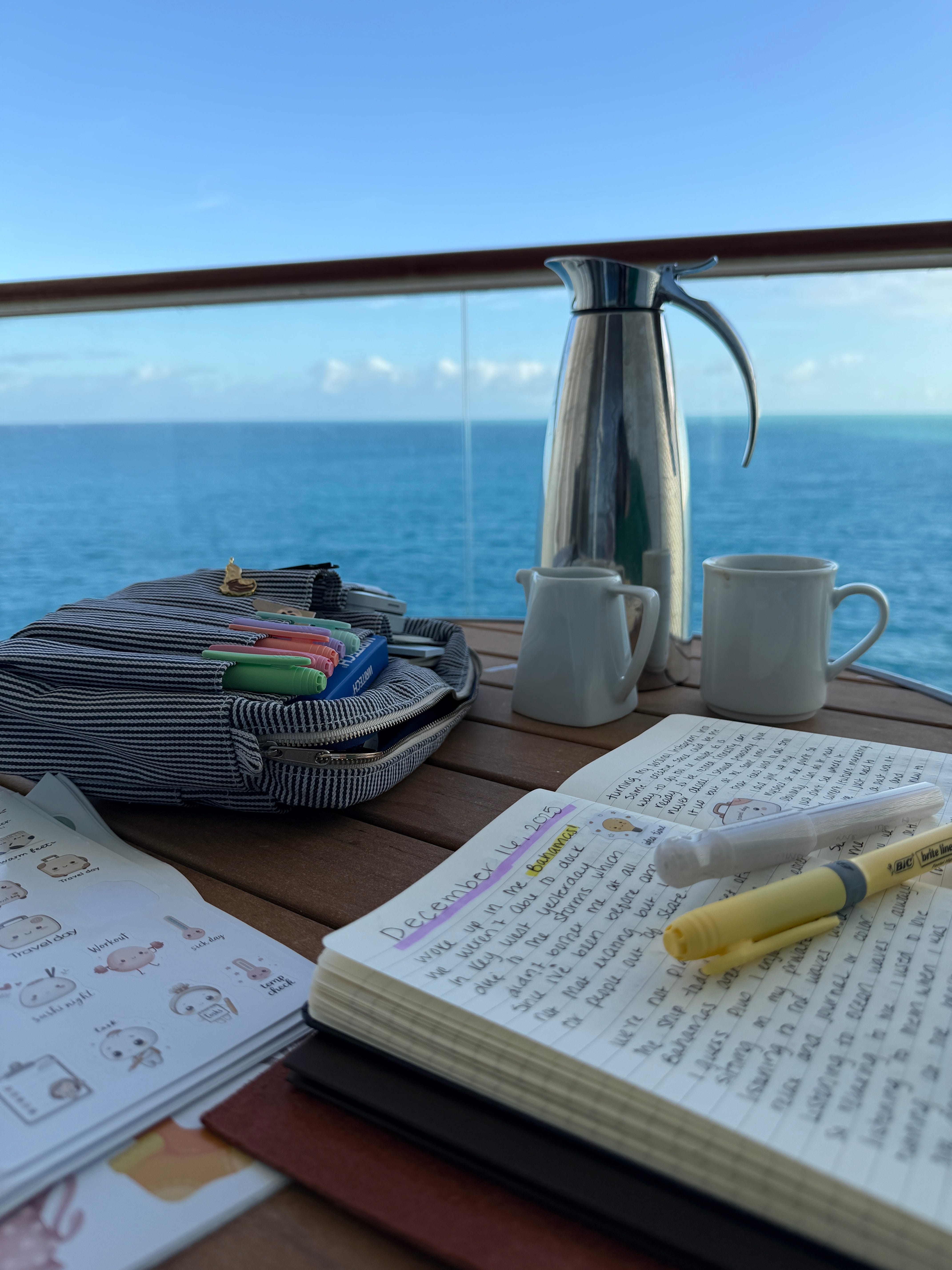
You’re used to being praised for your accomplishments, but inside you feel a lot of exhaustion and dread about what’s going to get dropped into your capable hands next.
You know it’s coming because you’re the one who never fails to make it happen.
You’ve lived your entire life feeling that way.
Part of you is proud to be known as the capable one, and the other part is exhausted by all the pressure. You can handle it, of course, you can, but you’re starting to ask yourself, “At what cost?”
I can assume all of this with confidence because I’ve been in your shoes and have spoken with many others who have, too.
I started a marketing agency in February 2022 and built it to seven figures quickly. No one was surprised, least of all me. I said I was going to do it, so I did, like I do with everything else in my life.
But at what cost?
I burnt out in a big way.
I got to the point where all the skills that I felt came naturally to me – from making fast decisions to committing to not just meeting but exceeding deadlines – suddenly felt like heavy lifts.
I used to get satisfaction and confidence from a job well done, but I reached a point where I felt dread about completing anything because I knew I didn’t have the time to put my best effort into it.
I started seeing a therapist, and she explained that my perfectionist tendencies were in major conflict with the workload I had taken on.
There was no time to be a perfectionist because I was stretched so thin, but I couldn’t let go, so I let projects drag on because I couldn’t imagine saying, “Yes, this is done well, just not perfect.”
And letting projects drag on just left me with a large sense of impending doom – like everything was going to crash down around me.
Colleagues suggesting I “hand the work over to a team member” made me want to scream internally. I had already done that, but I always ended up redoing the work because it wasn’t up to my (impossibly) high standards. That meant even later nights redoing projects that I had no time for.
That’s when I realized I wasn’t just an overachiever, I was a very anxious overachiever.
I needed control. I needed perfection. I needed … to take a step back.
This realization became even clearer when my therapist asked me, “Who are you?” and I had no idea.
My initial response was “I’m a business owner, a cat mom, and a wife,” but I realized that’s me in relation to other people. That’s who I am to them.
I’m a marketing strategist for my clients, the mom to my cats, and the wife to Adam, but who was I to me?
What were my hobbies and interests? What did I regularly do for fun?
Nothing.
It hit me then that it was no surprise I was burnt out at work, because it was the only thing I was putting any energy into.
I committed to burnout recovery at that point, but I was stuck for a long time because I didn’t have any hobbies or interests to redirect my attention, and I had no idea who I really was outside of work and personal responsibilities.
I started trying things – and failed at most of them – but learned a lot about myself in the process.
For instance, a few years before starting my business, I was really into endurance running and regularly ran half marathons, and my initial response was to go back to that… but it turned out I realized I was doing that largely because it fueled the part of me that always wants to achieve.
For me, running was very data-driven: how many miles, what pace, how to improve, etc. None of it was really just for the joy of it, although there is something to be said about when you’re in flow and achieve the runner’s high.
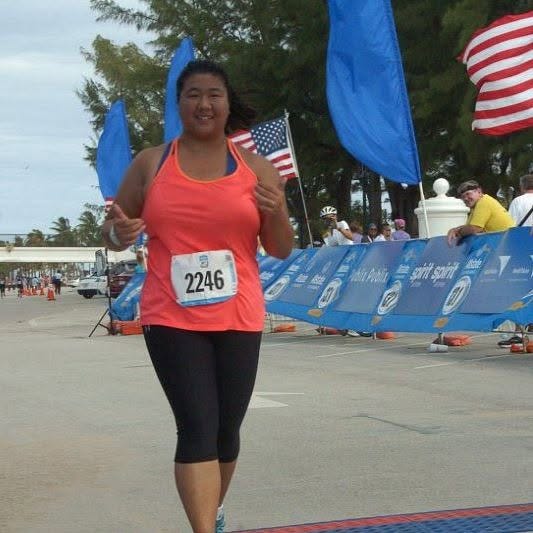
But still, for me, running was largely performance-based and fueled my need to achieve rather than my desire to learn what I like outside of meeting milestones and goals.
I think a lot of us overachievers have a fitness-based hobby for this reason: we love to compete with others and ourselves.
Being the best at what we do (CrossFit, triathlon, tennis, Pilates, etc.) gives us confidence, but it also means we’ve taught ourselves to feel confident when we perform under pressure, rather than simply feeling confident in who we are.
We call these types of hobbies self-care, but at their core, they are often systems we obsessively optimize.
I became determined to find hobbies that fuel me, not just my desire to achieve and check boxes.
After making this decision, I still had no idea what that would look or feel like, but I knew it would bring me peace instead of more pressure.
My therapist said, “Go outside, touch grass, do something to nurture your inner child.”
I’ve always hated the phrase “nurture your inner child” because it’s just so incredibly overused, but it did make me think: what did I enjoy doing as a child?
The first thing that came to mind was how I would collect notebooks, journals, coloring books, etc and never ever use them because I was afraid of ruining them (hello perfectionism). The next thing that came to mind was horses.
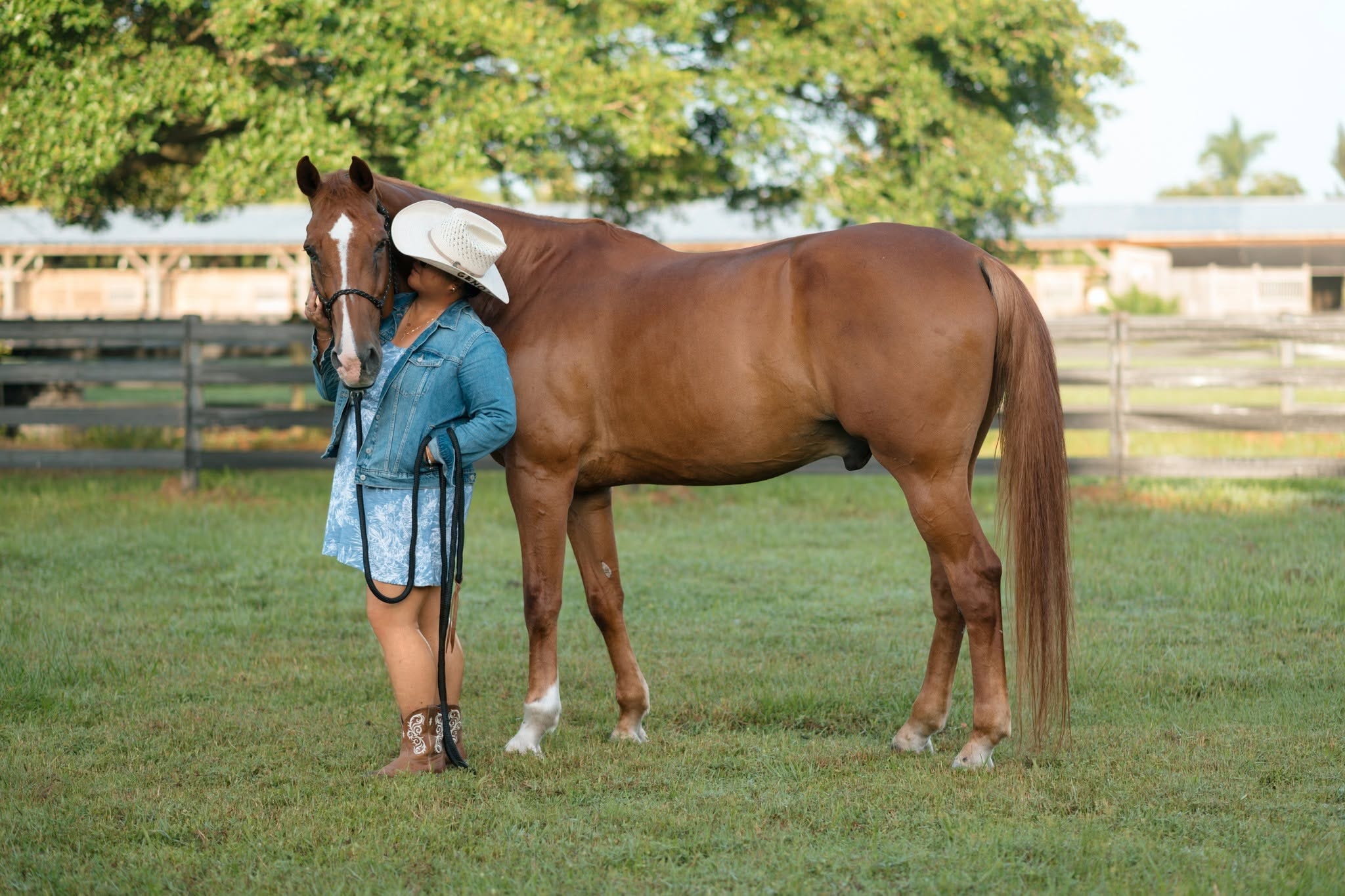
When I was a child, I went to horse camp for the summer and made so many good friends. I loved being outside, learning about and taking care of horses, so I signed up for lessons at my local barn.
When I first drafted this post, it was right before Christmas of last year (2025), and now it’s September 6th and …I own a horse!
Stay tuned because I have SO much to catch you up on!